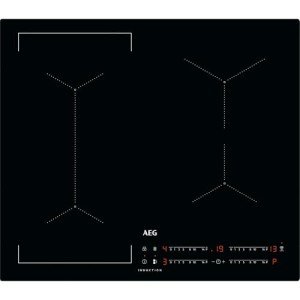
Induction Hob Store: A Comprehensive Guide
Induction hobs have actually changed the way modern kitchen areas run. By making use of electro-magnetic energy, these devices supply faster heating, increased energy performance, and unparalleled cooking precision. Induction Hob Ratings offers a large range of choices, devices, and assistance for those wanting to buy a new cooking experience. This post provides an in-depth introduction of induction hobs, the advantages they use, considerations when selecting one, devices offered, and must-know tips for getting going.
What is an Induction Hob?
An induction hob is a type of cooktop that uses induction heating to directly heat up pots and pans. Unlike standard gas or electric cooktops, induction hobs do not produce heat through flames or electric coils. Instead, they produce an electromagnetic field that creates heat in compatible cookware when it is put on the surface.
How Induction Hobs Work
- Electromagnetic Field Generation: When a compatible pot is put on the induction hob, the hob creates an electromagnetic field that causes an electrical present in the pots and pans.
- Direct Heating: The induced existing causes the cookware itself to warm up rather than the hob surface. This results in effective heating and faster cooking times.
- Temperature Control: Induction hobs permit accurate temperature level control, making it simpler to achieve preferred cooking results.
Table 1: Comparison of Cooking Methods
| Feature | Induction Hobs | Gas Hobs | Electric Hobs |
|---|---|---|---|
| Heating Method | Electro-magnetic | Flame | Electric coils |
| Performance | 90%+ | 40-60% | 70-80% |
| Speed | Quick | Moderate | Slow |
| Safety | Cool surface | Hot surface | Hot surface area |
| Temperature Control | Precise | Moderate | Moderate |
| Pots and pans Compatibility | Ferrous pots and pans only | Any cookware | Any cookware |
Advantages of Using Induction Hobs
Induction hobs are progressively becoming the go-to option for both home cooks and professional chefs. Here are some of the key advantages:
- Energy Efficiency: Induction hobs transform almost 90% of energy into heat, making them significantly more efficient than gas and electric choices.
- Speed: Induction cooking generally warms up quicker than standard techniques. Boiling water or accomplishing high temperature levels can take mere minutes.
- Security: The cooktop remains cool to the touch, lowering the danger of burns and enhancing cooking area safety.
- Easy Cleaning: The flat surface area of induction hobs makes cleaning effortless. Spills do not burn onto the surface area as they may on conventional cooking surface areas.
- Temperature level Precision: Induction hobs offer immediate feedback and keep constant temperatures, permitting fine-tuning of cooking temperatures.
- Trendy Appearance: Induction hobs frequently have a sleek design, enhancing kitchen area visual appeals while offering functionality.
Considerations When Choosing an Induction Hob
When choosing an induction hob, there are numerous factors to consider to ensure the perfect suitable for one's cooking requirements. Here's a fast list:
Size and Configuration:
- Assess the available area in the cooking area.
- Choose between integrated or freestanding choices.
Power Levels:
- Look for models with multiple power levels for flexible cooking.
Control Type:
- Decide between touch controls or knobs based upon personal choice.
Security Features:
- Consider hobs with features such as child locks, auto shut-off, and pan detection.
Pots and pans Compatibility:
- Ensure pots and pans works (ferrous products). Choices include stainless-steel and cast iron.
Table 2: Popular Induction Hob Brands and Models
| Brand name | Design | Key Features | Approximate. Cost |
|---|---|---|---|
| Bosch | 800 Series | Touch Control, 4 Zones, 17 Power Levels | ₤ 1,000-₤ 1,500 |
| Samsung | NZ36K7880UG | Virtual Flame, Flex Zone, Wi-Fi Connect | ₤ 1,200-₤ 1,800 |
| Whirlpool | WCE55US0HS | 5 Elements, SpeedHeat, Easy Clean | ₤ 900-₤ 1,200 |
| GE Appliances | PHP9030SJSS | Touch Controls, 5 Burners, 10 Power Levels | ₤ 1,000-₤ 1,400 |
| Panasonic | KX-TAW08-UTF | 2 Zones, Compact Design, Budget-Friendly | ₤ 500-₤ 700 |
Devices for Induction Hobs
Investing in the right devices can enhance the induction cooking experience. Here are some vital devices to consider:
Cookware:
- Non-stick induction-compatible pots and pans.
- Cast iron frying pans and Dutch ovens.
Induction Cookware Sets:
- Comprehensive sets customized for induction cooking needs.
Covers and Protectors:
- Surface protectors to prevent scratches.
Cleaning up Supplies:
- Specialized cleaning up services for induction hobs.
FAQs about Induction Hobs
1. Do I require unique cookware for an induction hob?Yes, only pots and pans
made from ferrous materials such as cast iron or some stainless-steels will work on induction hobs. 2. How do I know if my pots and pans is inductioncompatible?You can check your cookware with a magnet
; if the magnet sticks, the cookware is induction-compatible. 3. Are induction hobs more pricey than gas or electrical hobs?The in advance expense of induction hobs might be greater, however their energy performance can result in savings on utility costs in time. 4. Can I utilize my induction hob during a power outage?No, induction hobs require electrical energy to operate and will not run
during a power outage. 5. How do I clean my induction hob?Use a soft cloth or sponge with a gentle cleaner, as the surface area is vulnerable to scratches. Avoid abrasive products. An induction hob reveals a modernshift in how cooking is approached, combining benefit, security, and efficiency into one powerful device. With a huge selection of designs and features available, the induction hob store offers everything from the basics to innovative choices, ensuring that chefs of all levels can discover the perfect fit. Comprehending the benefits, considerations, and devices can make the shift to induction cooking smooth and enjoyable, ultimately transforming cooking area characteristics to match contemporary lifestyles.